
Working in Maritime: Transitioning from New Zealand to Australia
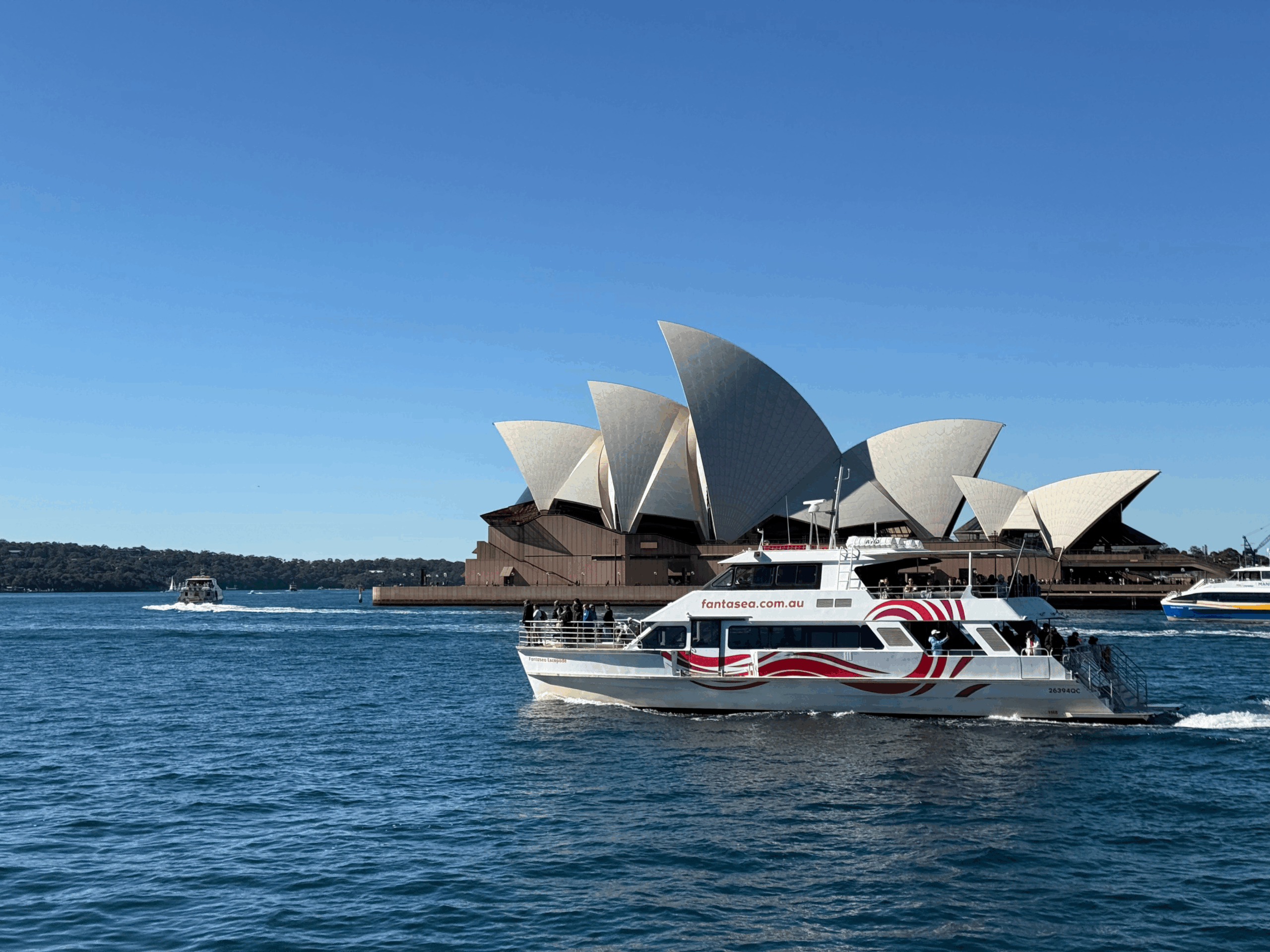
With shared coastlines, common standards, and a strong maritime partnership, New Zealand and Australia have long enjoyed the movement of skilled seafarers between their industries. If you’re a qualified New Zealand seafarer looking to continue your career across the Tasman, the good news is that your Maritime NZ certificate can be recognised by the Australian Maritime Safety Authority (AMSA) through a streamlined process — especially if you’re a New Zealand citizen under the Trans-Tasman Mutual Recognition Agreement (TTMRA).
This guide explains how to transition your qualifications, what documents are required, and what to expect when working in the Australian maritime sector.
1. Why Make the Move?
Australia offers a diverse range of maritime opportunities — from offshore energy and coastal shipping to tourism, ferry services, and marine construction. Many New Zealand mariners move across for:
- Higher-volume commercial operations and larger vessels
- Access to offshore oil, gas, and defence projects
- Attractive pay scales and year-round work in warmer climates
- Broader career progression within international fleets based in Australia
With compatible safety systems and training standards, your New Zealand experience is highly valued by Australian operators.
2. Understanding the TTMRA
The Trans-Tasman Mutual Recognition Agreement allows citizens and permanent residents of Australia and New Zealand to have certain occupational registrations and licences recognised in each country.
For seafarers, this means that if you hold a valid Maritime NZ Certificate of Competency (CoC) or Certificate of Proficiency (CoP), you can apply for an equivalent AMSA certificate without needing to retrain from scratch.
Under the TTMRA:
- You can apply for the same occupation in Australia that you are authorised to perform in New Zealand.
- AMSA must issue an equivalent certificate (or one with necessary conditions) unless there are substantial differences in public safety or competency requirements.
- Recognition is normally processed faster for NZ citizens, as both countries operate under compatible STCW and national frameworks.
3. Who Can Apply?
You can apply to AMSA for mutual recognition if you:
- Are a New Zealand citizen or permanent resident
- Hold a current Maritime NZ certificate under the SeaCert or STCW frameworks
- Are applying for the equivalent Australian certificate class (e.g., Master < 24 m, Engineer Class 3, or Watchkeeper Deck)
If you’re not a NZ citizen or if your certificate was issued by another administration, you may still be eligible through AMSA’s standard Certificate of Recognition process aligned with the STCW Convention.
4. The Application Process (Step-by-Step)
Step 1 – Check Your Certificate Type
Identify whether your Maritime NZ certificate is:
- A Domestic certificate (e.g., Skipper Restricted Limits or Marine Engineer Class 6)
- An STCW certificate (for vessels operating beyond NZ waters)
Domestic certificates generally align with Australia’s Near Coastal qualifications, while STCW certificates align directly with AMSA’s international qualifications.
Step 2 – Prepare Your Documentation
You’ll need to submit:
- A certified copy of your Maritime NZ certificate
- Proof of citizenship or permanent residency (passport or birth certificate)
- Medical fitness certificate (STCW or AMSA 584)
- Evidence of sea service and training record books
- A recent passport-style photo
Step 3 – Lodge with AMSA
Apply online or through an AMSA regional office under the Trans-Tasman Mutual Recognition Act 1997. AMSA may issue a provisional licence while your application is assessed, allowing you to continue working.
Step 4 – Complete Any Conditions
In some cases, AMSA may impose conditions, such as:
- Completing an Australian maritime law or safety induction course
- Updating first aid or firefighting certificates if they pre-date current standards
These are generally short courses offered through registered training organisations (RTOs).
5. Training and Micro-Credentials
If you’re transitioning to larger or offshore vessels, it can be valuable to complete additional professional development before or after arriving in Australia. Providers such as Skipper Training NZ (Nelson) offer micro-credentials that support recognition of prior learning and can help bridge any competency gaps identified by AMSA.
Micro-credentials can include:
- Basic or advanced safety training
- Maritime law and environmental compliance
- Radar or ECDIS familiarisation
- Leadership and management at sea
These smaller units can make your transition smoother and enhance employability across both countries.
6. Life and Work in the Australian Maritime Sector
Australian operators place strong emphasis on safety management systems and fatigue management, similar to Maritime NZ’s MOSS framework. Typical roles for New Zealand seafarers include:
- Passenger and tourism vessels in Queensland or Western Australia
- Offshore supply or tug operations in Darwin and Karratha
- Harbour ferries in Sydney or Perth
- Coastal trading and logistics along the eastern seaboard
Most crew work rotational rosters, often two-weeks-on/two-weeks-off, with pay reflecting vessel size, trade, and operational area. Experienced skippers and engineers may earn between AUD 90,000–150,000 p.a., while deckhands and integrated ratings typically start around AUD 70,000–90,000 p.a.
7. Key Tips for a Smooth Transition
- Start your AMSA application before relocating — processing can take 4–6 weeks.
- Keep your NZ certificates, sea service records, and medicals current.
- Complete any required short courses in New Zealand if available.
- Connect with Australian employers or crewing agencies familiar with NZ qualifications.
- Remember: as a NZ citizen under the TTMRA, you are entitled to mutual recognition — take advantage of this reciprocal system.
Conclusion
Transitioning your New Zealand maritime qualifications to Australia is straightforward thanks to the close alignment between Maritime NZ and AMSA. With the TTMRA simplifying recognition and growing demand across both domestic and offshore sectors, there has never been a better time for skilled Kiwi seafarers to explore opportunities across the Tasman.