
How to Become a Deckhand in New Zealand: Your First Step to a Maritime Career
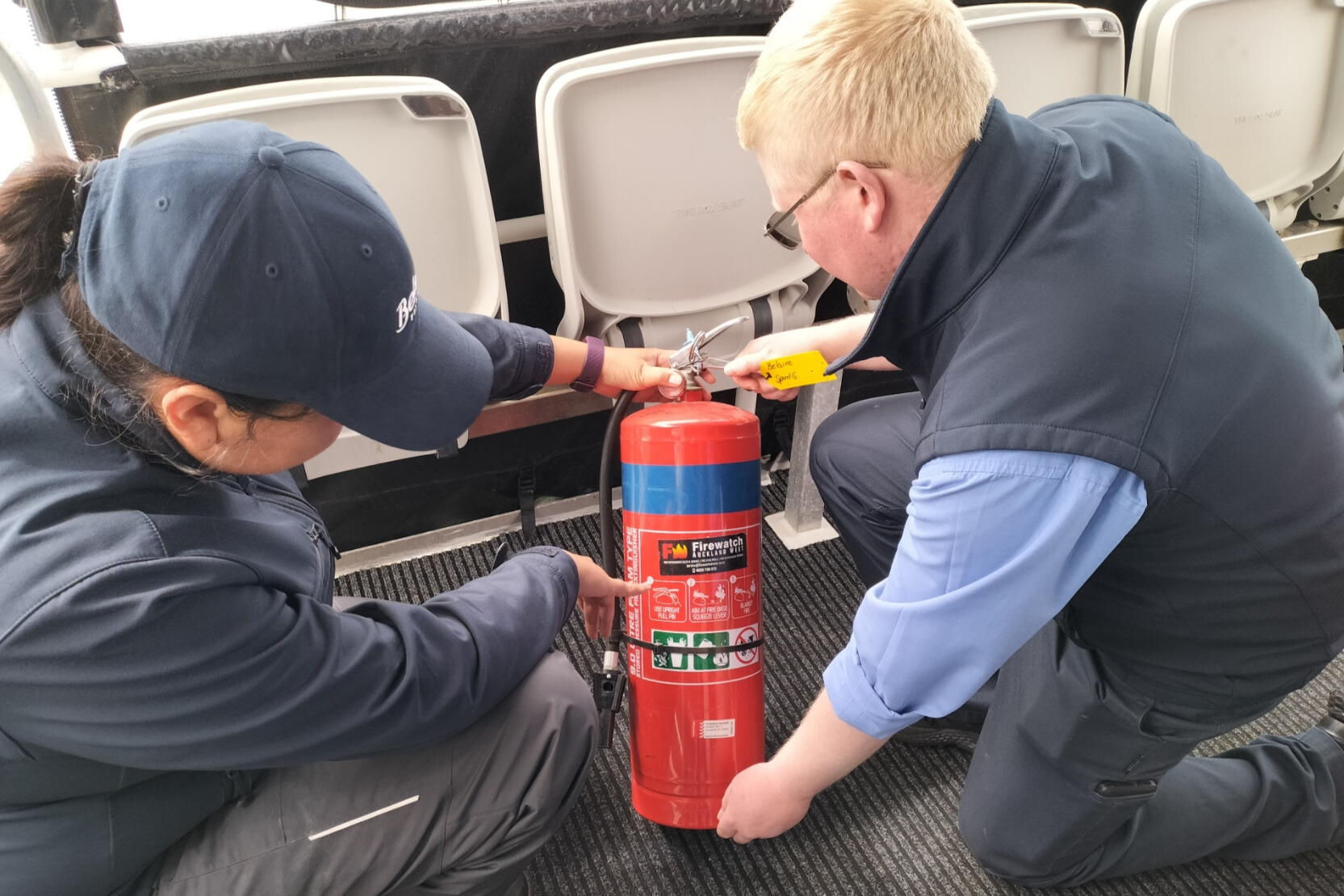
Working on the water is more than just a job — it’s a lifestyle. For many people in the maritime industry, it all begins as a Deckhand. Deckhands are the backbone of every vessel, assisting with daily operations, safety, maintenance, and navigation. Whether you’re supporting a busy passenger ferry, a coastal fishing boat, or an offshore supply vessel, the role offers a practical and rewarding start to your career at sea.
What Does a Deckhand Do?
A deckhand works under the supervision of the skipper or mate to help manage the deck and support vessel operations. Daily tasks can include:
- Mooring and unmooring lines
- Assisting passengers or crew
- Cleaning and maintaining the vessel
- Handling ropes, fenders, and anchors
- Operating small craft or safety gear
- Monitoring deck equipment and safety systems
Deckhands play a vital role in ensuring vessels run safely and efficiently. It’s a hands-on job that requires teamwork, communication, and a good understanding of safety procedures and maritime rules.
Starting Out: How to Get Experience
Most deckhands begin with a passion for the sea and a willingness to learn. Experience gained through boating, fishing, sailing, or volunteering is a great start. Many people begin through:
- Sailing or boating clubs
- Youth development programmes like Spirit of Adventure, Tucker Thompson, Sea Cadets, or Te Toki Voyaging Trust
- Seasonal or casual work on water taxis, ferries, or aquaculture vessels
These early opportunities help you develop sea time and practical boat-handling skills — both essential for progressing through Maritime NZ’s qualification pathway.
Training Pathways
Becoming a qualified deckhand in New Zealand can follow one of two main pathways, depending on the vessel and where you plan to work.
1. Inshore or Domestic Deckhand (Restricted Limits)
If you plan to work on domestic or inshore vessels — such as ferries, tourism boats, or inshore fishing vessels — your starting qualification is usually:
Qualified Deck Crew (QDC)
- Works on passenger and non-passenger ships under 24 metres in restricted or inshore limits
- Requires completion of an approved training record book on board
- Includes a Maritime Restricted Radio Operator’s Certificate (RROC) and a current First Aid certificate
This qualification aligns with the NZ Certificate in Domestic Maritime Crewing (Level 3) and is recognised by Maritime NZ under the SeaCert framework.
2. Coastal / Offshore Deckhand (STCW Certificates)
If your goal is to work offshore, on larger ships, or in international waters, you’ll complete training that meets STCW (Standards of Training, Certification and Watchkeeping) requirements.
Entry-level certificates include:
- Deck Watch Rating (DWR) – supports the navigation watch on vessels of any gross tonnage
- Able Seafarer Deck (AB Deck) – performs duties as part of a navigational watch on international vessels
These qualifications require sea service (from 2–12 months depending on training) and STCW basic safety training, including survival craft, firefighting, and first aid.
Structured Training or On-Job Learning
Training can be gained in two main ways:
Tertiary Programmes
Institutions such as the New Zealand Maritime School, Nelson Marlborough Institute of Technology, or Skipper Training NZ offer structured programmes combining classroom study and sea service. Courses often include:
- Maritime safety and environmental procedures
- Vessel operations and deck maintenance
- Basic navigation and seamanship
- Health and safety management
On-the-Job Training and Recognition of Prior Learning
Many deckhands start working first, then formalise their skills through on-the-job assessment. This is often referred to as Recognition of Prior Learning (RPL). If you’ve already gained practical experience, you can complete smaller micro-credentials (for example, those offered by Skipper Training NZ in Nelson) to fill any training gaps and achieve your certificate more efficiently.
Sea Service and Career Progression
Documented sea service is required for all maritime qualifications. You’ll record your sea days, tasks, and competencies in a training record book, verified by the skipper.
With time and experience, a deckhand can progress to:
- Qualified Deck Crew (QDC)
- Skipper Restricted Limits (SRL) – operate vessels up to 12 metres within inshore waters
- Skipper Coastal / Offshore (SCO) – operate up to 24 metres in coastal and offshore limits
For those working internationally, the pathway continues toward Watchkeeper Deck, Mate, or Master < 500 GT under STCW conventions.
Skills and Personal Qualities
Successful deckhands are known for reliability, teamwork, and initiative. You’ll need:
- Good communication and problem-solving skills
- Strong awareness of health and safety
- Physical fitness and stamina for outdoor, shift-based work
- Basic mechanical or maintenance knowledge
- A willingness to learn from experienced crew and mentors
Job Opportunities and Pay
New Zealand’s maritime industry offers a wide range of deckhand jobs — from harbour ferries and tourism charters to aquaculture and fishing operations. Pay varies by vessel type and experience, but entry-level deckhands typically earn $50,000–$65,000 per year, with opportunities for advancement as qualifications grow.
With the increasing demand for domestic and coastal crew, qualified deckhands are well-placed to build long-term maritime careers both in New Zealand and overseas.
Tips for Aspiring Deckhands
- Get your basic safety and radio certificates early.
- Keep detailed records of your sea time.
- Learn from experienced crew — every skipper started somewhere.
- Stay proactive: maintenance, safety, and teamwork go a long way.
- Add micro-credentials to upskill and stay current with industry standards.
Conclusion
Starting as a deckhand is the ideal entry point into New Zealand’s maritime industry. With the right mix of passion, training, and sea experience, you’ll gain the skills and confidence needed to progress through Maritime NZ’s qualification framework — and maybe one day, take the helm as skipper.